Research Overview / Lab Visit for Third-Year Undergraduates
Lab Visit
The Computer Structures Laboratory will hold online and in-person lab visit sessions according to the schedule below. This academic year, Professor Aoki will lead the online sessions and Associate Professor Ito will lead the in-person sessions. Please note that, due to the laboratory’s schedule, the in-person lab visit dates differ from the official period.
| Date (Online Lab Visit) | Time |
|---|---|
| September 28, 2026 (Mon) | 9:35–10:20 |
| September 29, 2026 (Tue) | 11:15–12:00 |
Online lab visits will be conducted via Google Meet. Please check the Google Meet URL in the “Laboratory Assignment Guidance Materials” posted on Google Classroom. You must access Google Meet using your DC email account.
| Date (In-Person Lab Visit) | Time | Availability |
|---|---|---|
| September 25, 2026 (Fri) | 13:00–13:45 | 2 people |
| 13:45–14:30 | 3 people | |
| 14:40–15:25 | 4 people | |
| 15:25–16:10 | 4 people | |
| October 5, 2026 (Mon) | 13:00–13:45 | 2 people |
| 13:45–14:30 | 4 people | |
| 14:40–15:25 | 6 people | |
| 15:25–16:10 | 6 people |
In-person lab visits will be held in Room 503, Electrical and Information Building 2. Each slot accommodates up to six participants. Those wishing to attend an in-person lab visit should indicate their preferred date and time via the Google Form below. The deadline is September 18, 2026 (Fri), 5:00 p.m.. We will adjust schedules by email as needed thereafter. Walk-in participation is welcome if slots remain available, so feel free to visit.
2026 Computer Structures Laboratory In-Person Lab Visit Questionnaire
Research Introduction Slides
These PDF slide decks summarize each research theme presented at Open Campus. You are welcome to download them.
- Biometric Authentication (Biometrics)
- 3D Reconstruction from Images
- Medical Image Processing
- Interdisciplinary Research (Plankton Image Classification)
Research Overview
The following are the main research themes recently pursued in the Computer Structures Laboratory. We also conduct other image-related research beyond these topics.
- Artificial Intelligence and High-Performance Computing
- Geometry of Multi-View Images and 3D Computer Vision
- Machine Learning–Based Analysis of Image Big Data and Image Synthesis
- Biometric Authentication and Biometric Information Protection (Attack and Defense)
- Spatiotemporal Sensing via Satellite and Aerial Platforms
- Developing New Data Science for Synthetic Biology
- Examples of Past Research Training Topics for Fourth-Year Students (First Semester)
Artificial Intelligence and High-Performance Computing
In recent years, advanced optimization and machine learning have been widely applied in artificial intelligence. To accelerate these methods, research and development of new algorithms that leverage GPUs and dedicated accelerators has become essential.
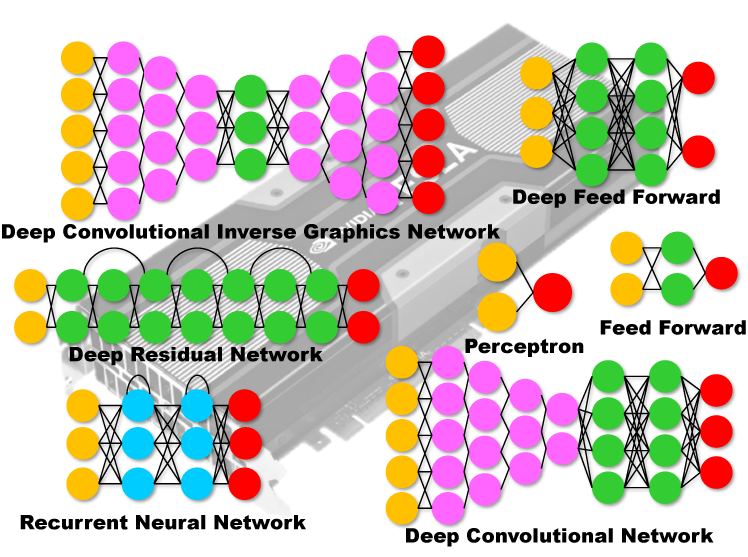
Figure 1: Artificial Intelligence and High-Performance Computing
Geometry of Multi-View Images and 3D Computer Vision
Reconstructing the three-dimensional shape of a subject from images captured from multiple viewpoints is a profoundly challenging and fascinating problem. New research areas are being developed using drone footage, sports video, web data, and related sources. For more details, please see here.
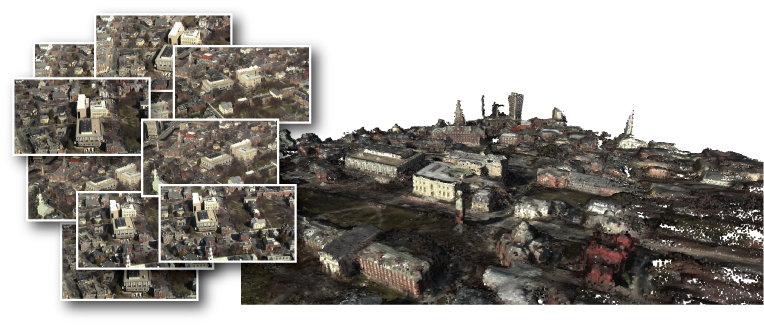
Figure 2: Geometry of Multi-View Images and 3D Computer Vision
Machine Learning–Based Analysis of Image Big Data and Image Synthesis
Deep learning and related methods can extract metadata representing the content of vast media datasets. Applications include listing features from person images at the scale of hundreds of thousands of individuals and searching for specific persons. For more details, please see here.
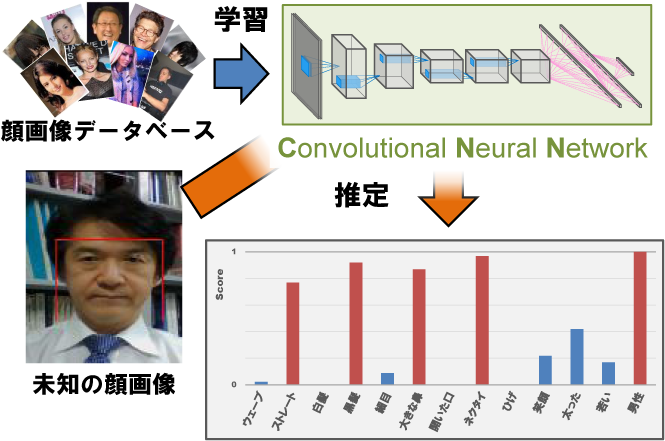
Figure 3: Machine Learning–Based Analysis of Image Big Data and Image Synthesis
Biometric Authentication and Biometric Information Protection (Attack and Defense)
India is building a biometric authentication infrastructure for more than 1.1 billion people, and biometric research worldwide is entering a new dimension. We investigate “attack and defense” against biometric information—the final gatekeeper of security. For more details, please see here.
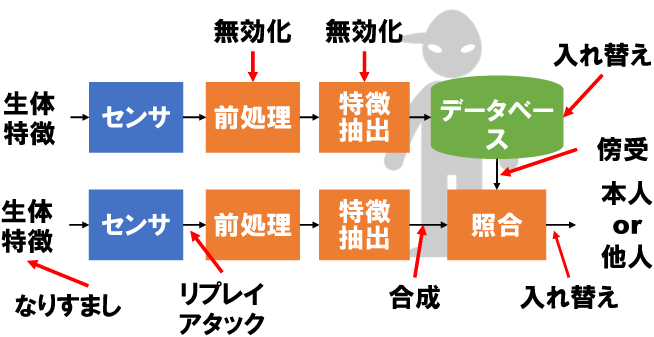
Figure 4: Biometric Authentication and Biometric Information Protection (Attack and Defense)
Spatiotemporal Sensing via Satellite and Aerial Platforms
Together with NICT, we are developing new principles for precisely capturing surface data using radar mounted on aircraft, satellites, and UAVs. The contrast with human vision, which perceives the external world in visible light, is intellectually compelling, and further advances are anticipated. For more details, please see here.
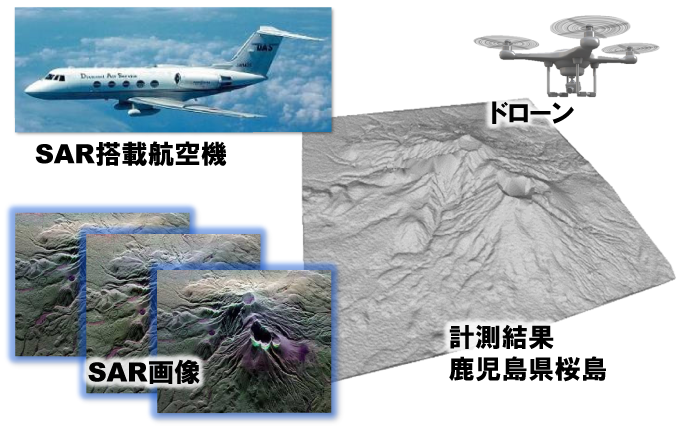
Figure 5: Spatiotemporal Sensing via Satellite and Aerial Platforms
Developing New Data Science for Synthetic Biology
Using data science, we establish efficient evolutionary search methods to identify sequences (aptamers) that bind exclusively to a target molecule from vast nucleic acid libraries, and we apply these methods to the design of biopharmaceuticals and molecular sensing devices. For more details, please see here.
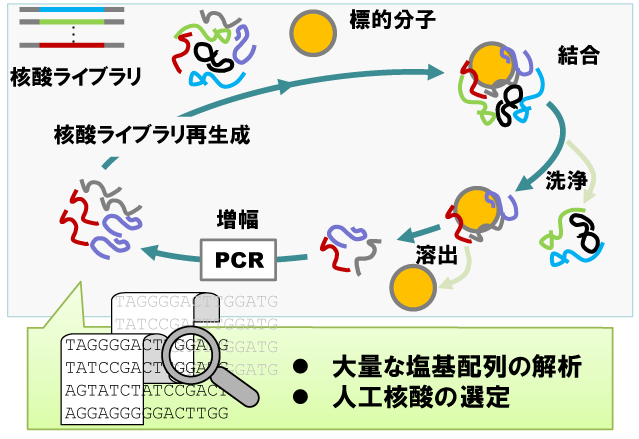
Figure 6: Developing New Data Science for Synthetic Biology
Examples of Research Training Topics for Fourth-Year Students (First Semester)
- High-Precision Stereo Vision System Based on Sub-Pixel Image Correspondence
- Analysis of Image Big Data Using Convolutional Neural Networks (CNNs)
- Learning and Generating Data Using Generative Adversarial Networks (GANs)
- Artificial Dialogue System Based on Image and Text Features