Research/ What Is Data Science?
Introduction
We hear the term "data science" frequently. It broadly denotes an interdisciplinary field that processes and analyzes data using scientific methods to extract insight. Recently it often refers to handling, analyzing, and predicting vast datasets with machine learning. Can research proceed simply because data are available? Of course not—one must think carefully about the data itself. Using brain MRI age estimation introduced in medical image processing as an example, we explain how we conducted research from large-scale data.
Large-Scale Datasets
We received a request from Professor Hiroshi Fukuda (Professor Emeritus, Tohoku University; Professor, Tohoku Medical and Pharmaceutical University) at the Tohoku University Institute of Development, Aging and Cancer to analyze brain images of more than 1,000 healthy subjects. He hoped that "something new might be possible from an information science perspective," but at that time we knew little about brain imaging—we began with nothing but many "brain images" as in Figure 1, unsure what to study.
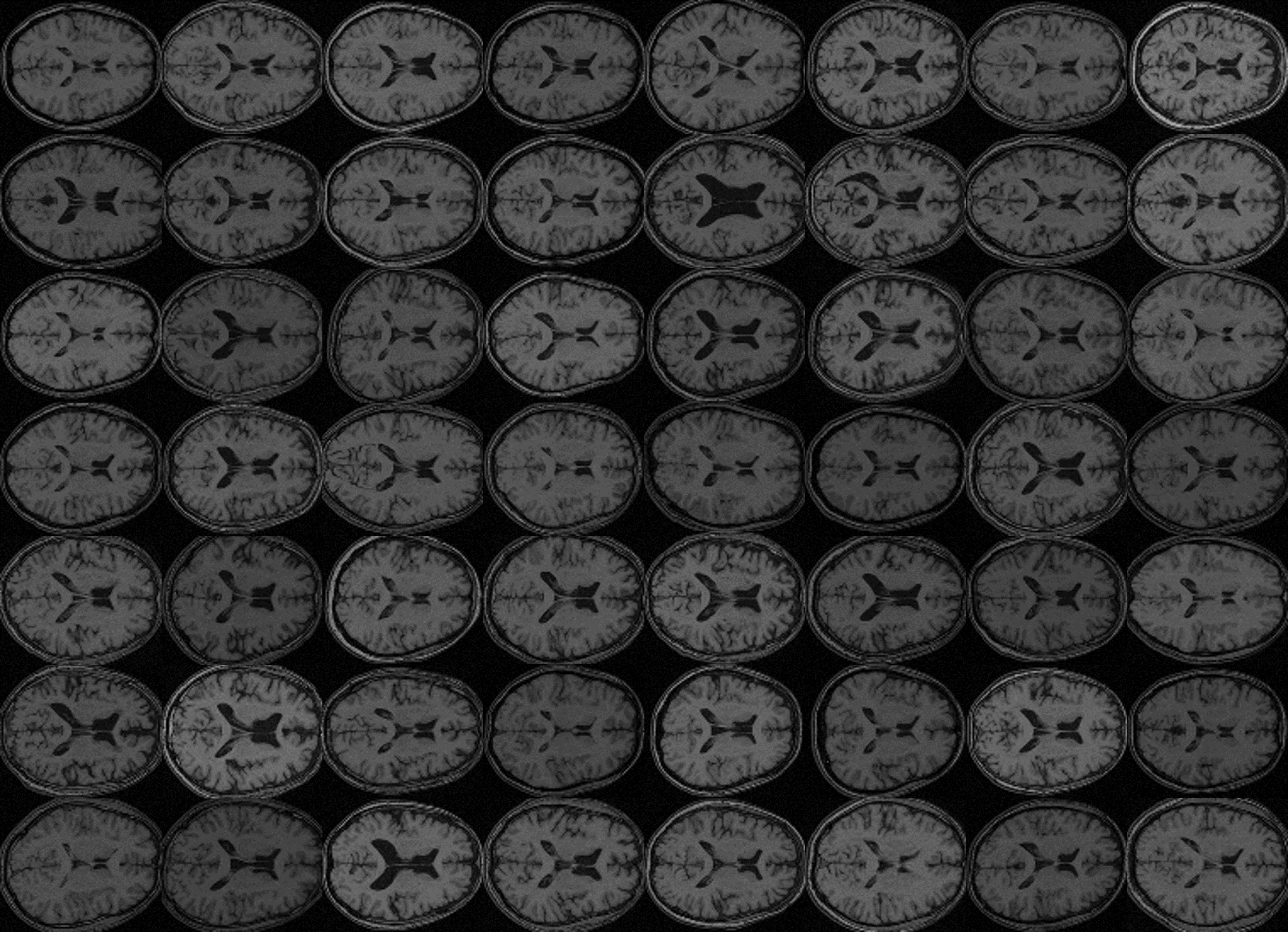
Figure 1: A large collection of brain images
Understanding the Data
Naturally, nothing begins without knowledge. We started by investigating what kind of data we had. The brain images were acquired by magnetic resonance imaging (MRI).
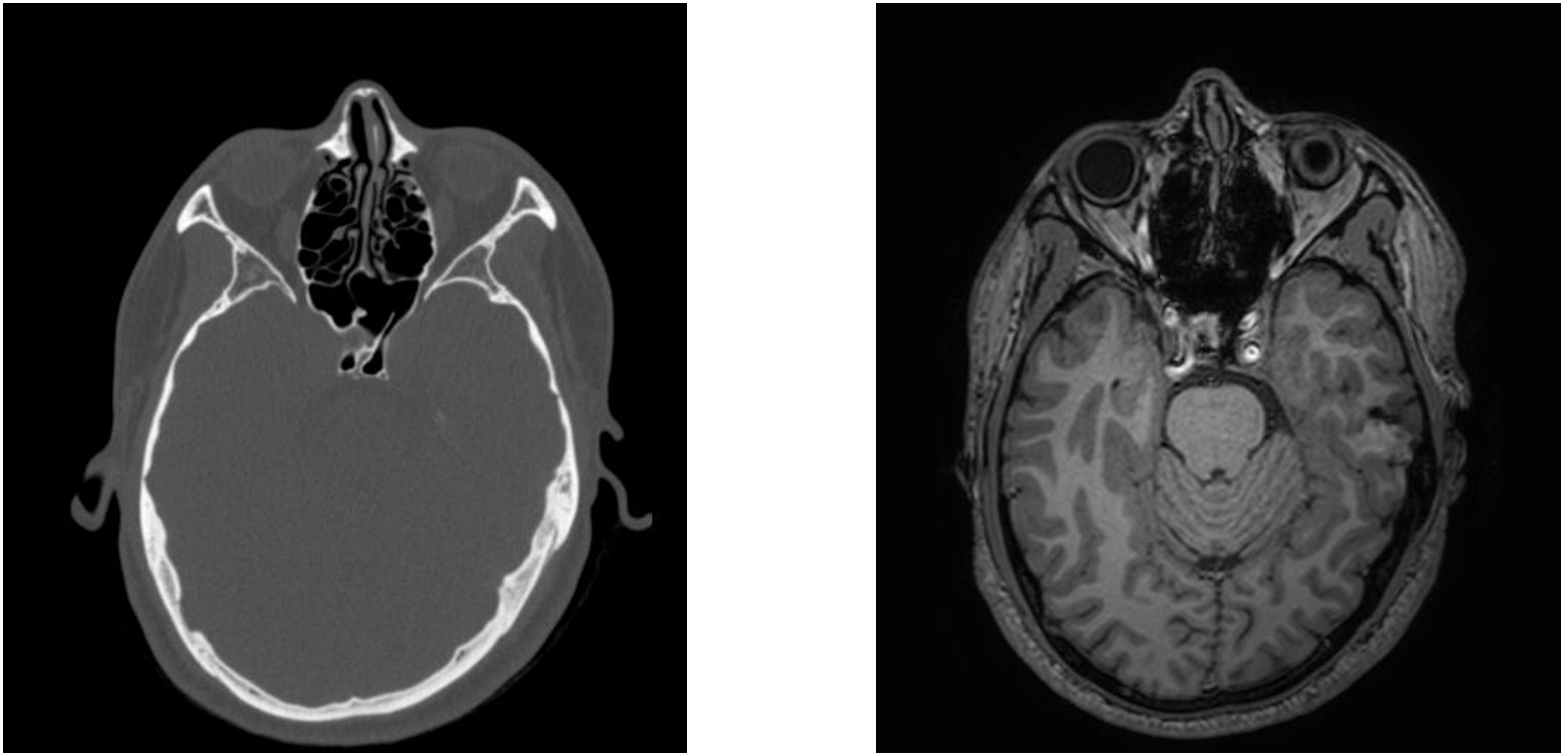
Figure 2: Brain image acquired by CT (left) and by MRI (right)
Interpreting Massive Data
Let us revisit the data. The dataset comprises T1-weighted brain MRI images of 1,101 subjects aged 20–80 years, collected by the Tohoku University Institute of Development, Aging and Cancer through the Aoba Brain Imaging Research Center Project and the Tsurugaya Project.
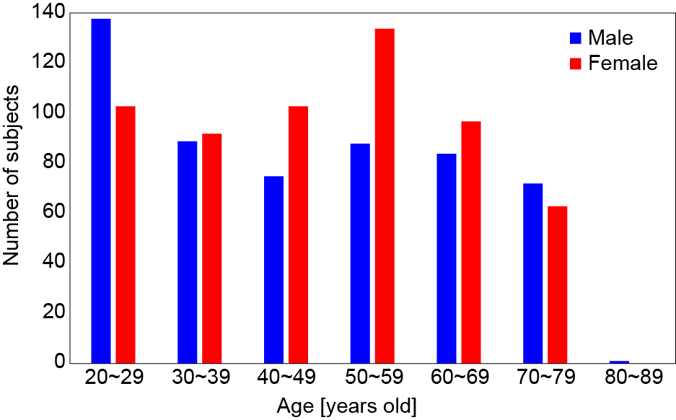
Figure 3: Age and sex distribution of brain MRI images collected through the Aoba Brain Imaging Research Center Project and the Tsurugaya Project at the Tohoku University Institute of Development, Aging and Cancer
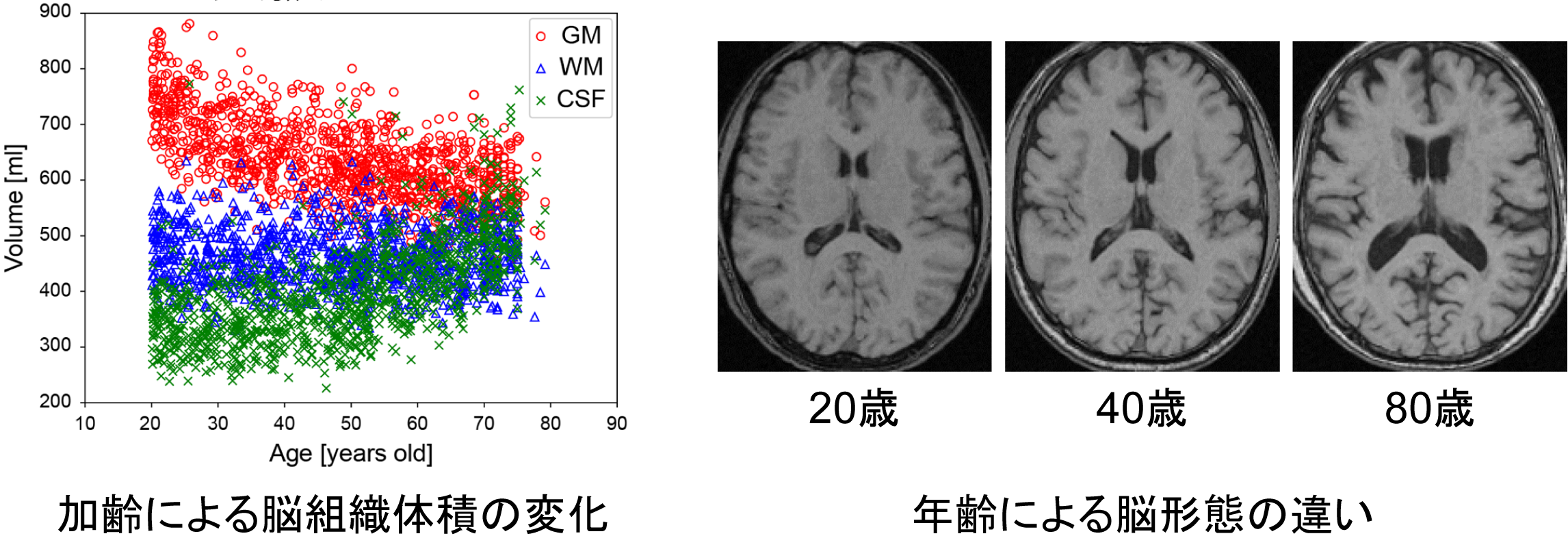
Figure 4: Age-related volume changes in brain tissues and morphological differences across ages
Formulating Problems from Data
From the discussion above, one can imagine the problem we formulated: "estimate the age of an input brain MRI image by exploiting atrophy of brain tissue during normal aging."
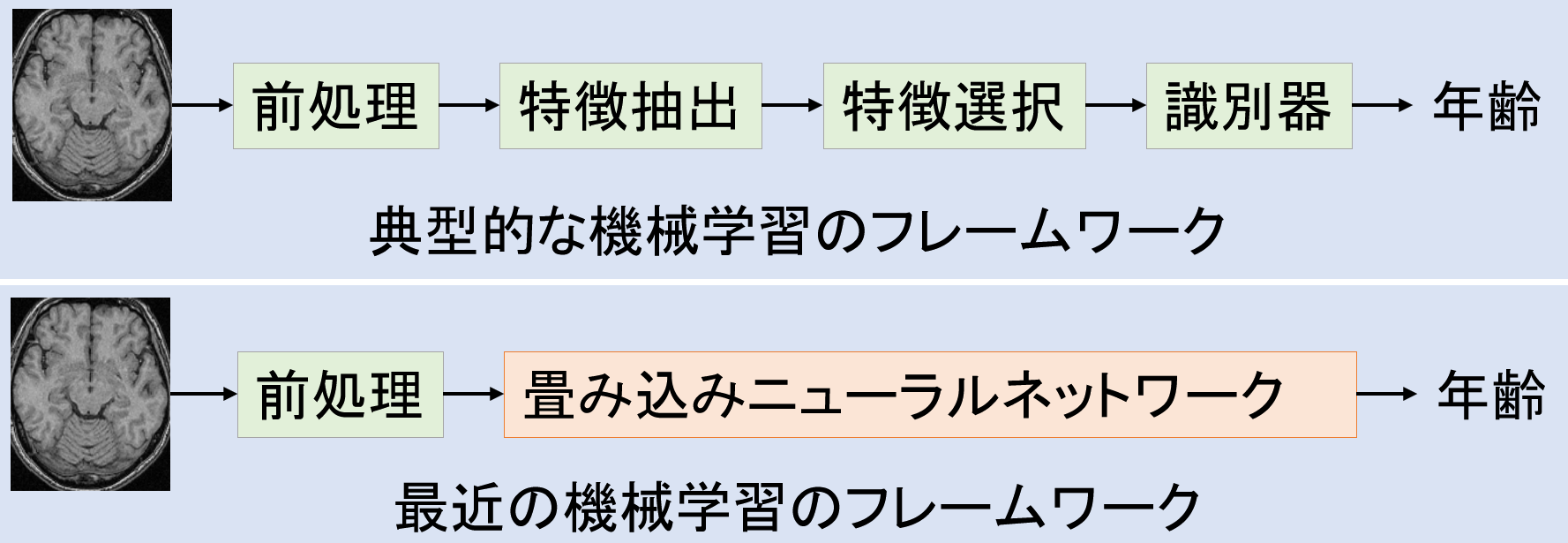
Figure 5: Machine-learning approach to age estimation
Brain Local Feature-Based Methods
This approach follows a typical machine-learning framework. Features are volumes of gray matter, white matter, and cerebrospinal fluid computed in each local region. Age estimation error with this method was approximately four years.
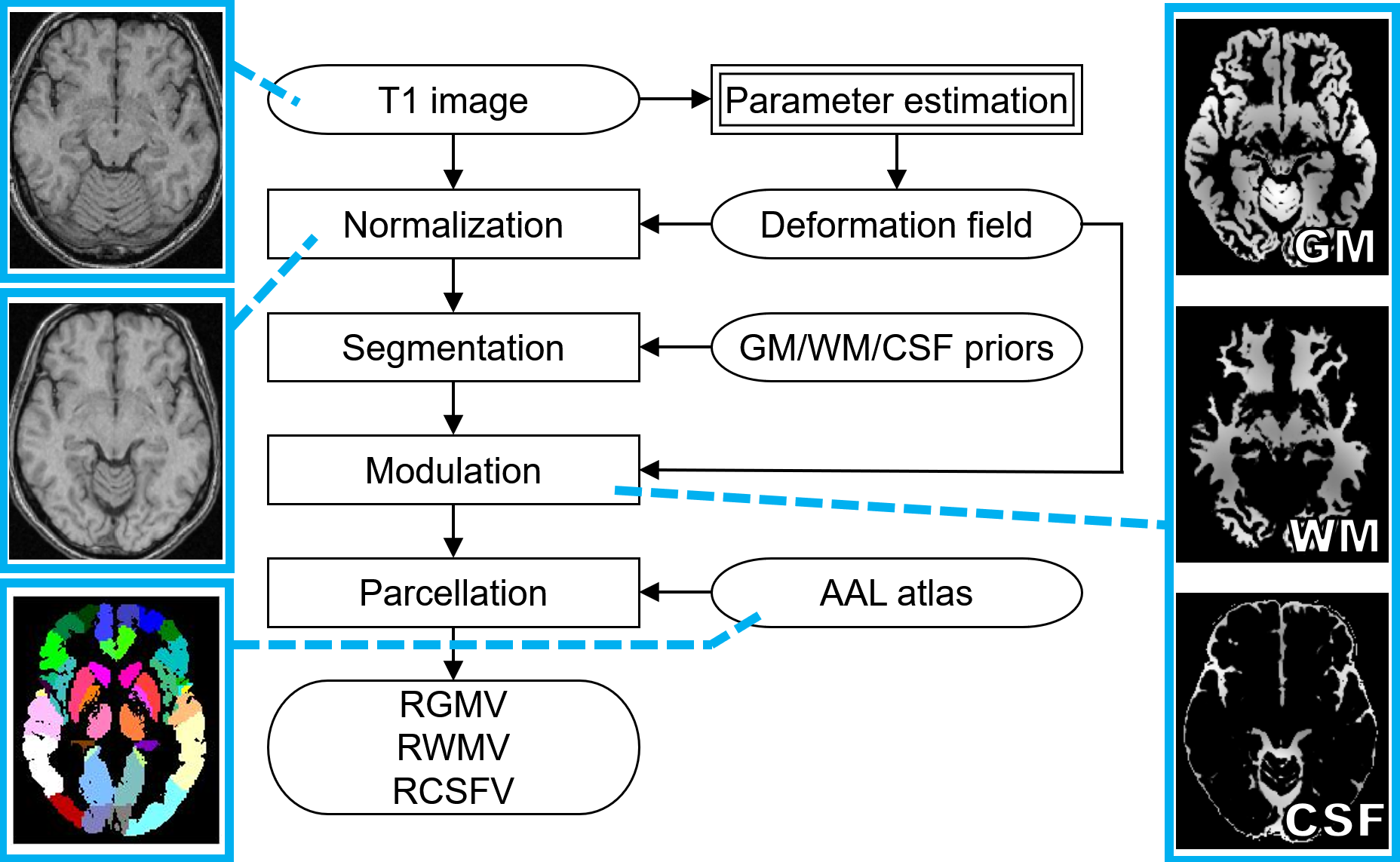
Figure 6: Extraction of brain local features using SPM
Convolutional Neural Network-Based Methods
This approach uses recent machine-learning frameworks. With a 3D CNN, estimation error was reduced to approximately three years.
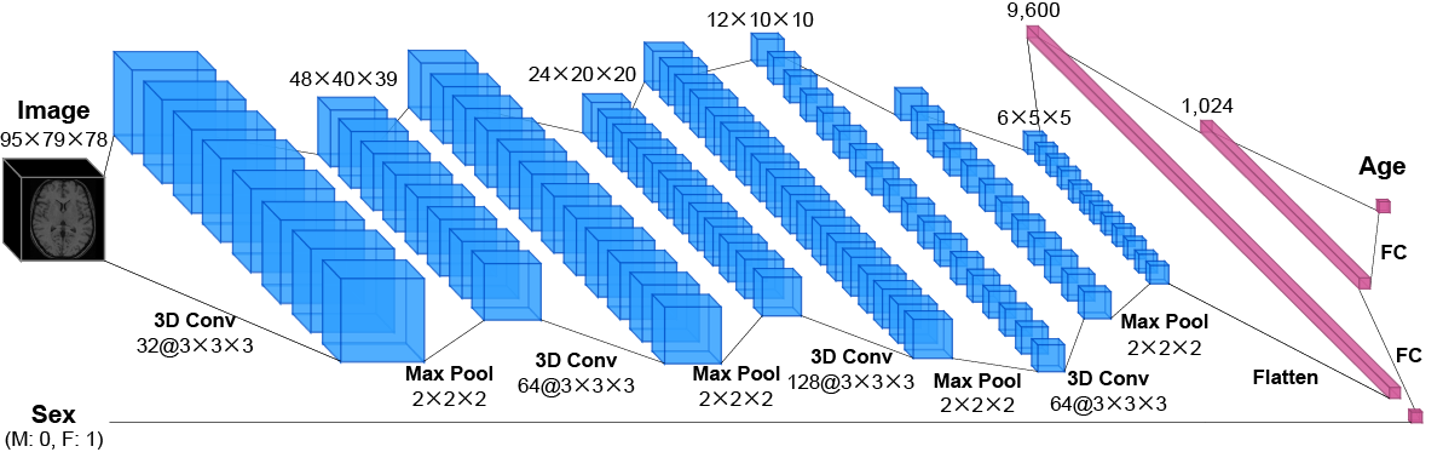
Figure 7: Age estimation network using a 3D CNN
Summary
"Can you conduct research if you have massive data?"—yes, you can. However, you must first understand what the data represent. Knowing and interpreting data is essential. Part of this content overlaps with research described in medical image processing; please refer there as well.